
Benchmarks
Reaction Time Score Comparison: Fast, Average, and Slow Ranges
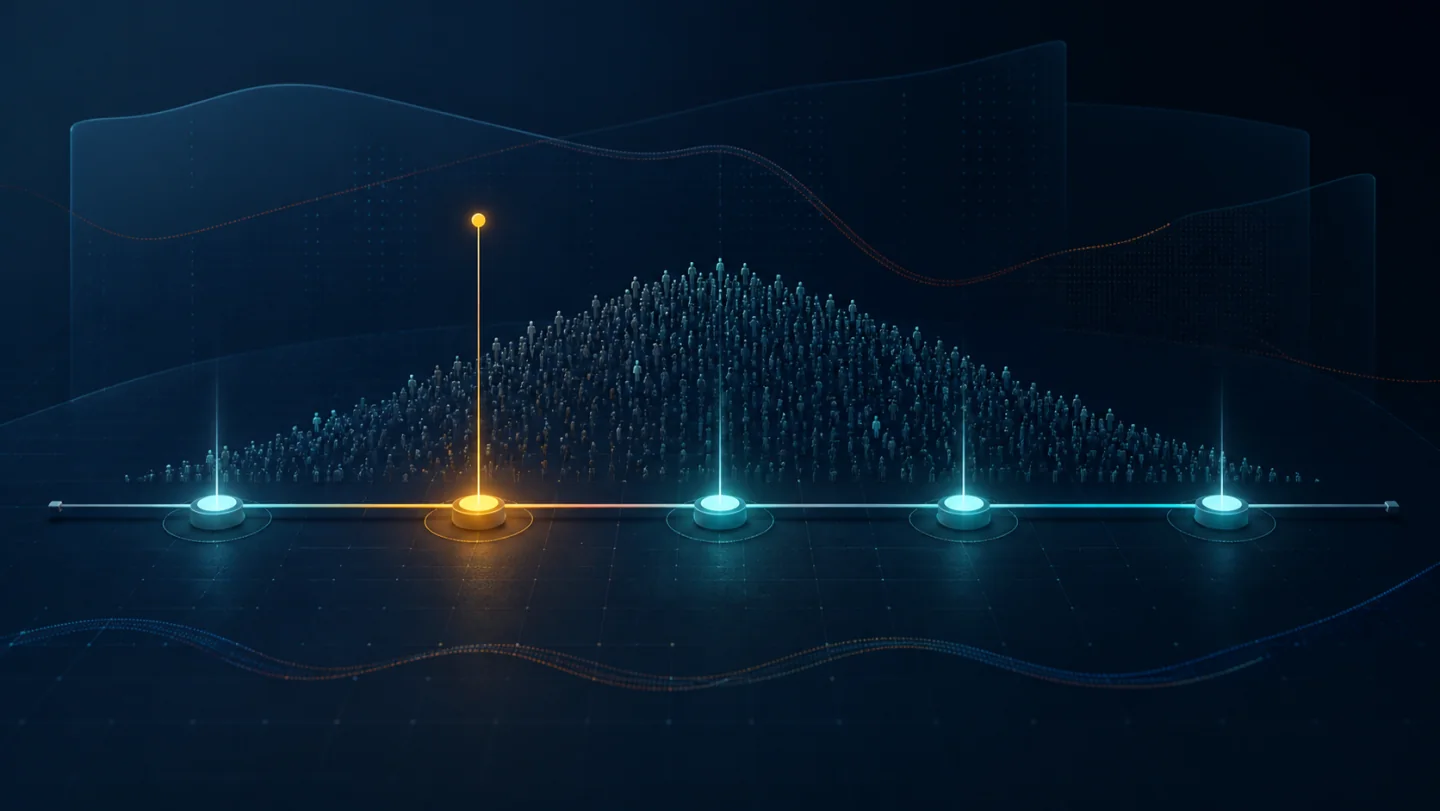
Reaction time scores are easiest to compare when you test on the same device. Use these ranges as a practical guide, not a medical or professional assessment, and remember that real-world benchmarks like sprint starts and motorsport launches follow the same underlying rules of human reflex speed.
To put this topic in context, compare it with the average reaction time benchmark, try the visual reaction time test, and follow the audio reaction time test. The reaction time guide library connects every benchmark and test mode.
Reaction time test score ranges
Very quick for a browser test. Low-latency hardware may help scores in this range.
Fast and focused. Many strong casual scores land here.
A common range for everyday devices and normal attention.
Can be affected by fatigue, distraction, input delay, or testing on a touchscreen.
Reaction time by age group
Reaction time studies consistently show a similar shape across a lifetime: it improves through childhood, peaks somewhere in the late teens to mid-20s, then slows gradually. These figures are general research patterns, not a personal prediction; sleep, fitness, and practice often matter more than age alone.
| Age group | General pattern |
|---|---|
| Children (under 12) | Slower on average; the nervous system is still developing processing speed. |
| Teens and young adults (13-29) | Typically the fastest range across a lifetime. |
| Middle adulthood (30-49) | A gradual, gentle slowing versus peak years. |
| Older adults (50+) | More noticeable slowing on average, though highly variable by individual and activity level. |
What an official sprint rule can — and cannot — tell us
With a certified start-information system, the 2026 World Athletics rules describe a reaction time below 0.100 seconds as an indication of a possible false start; officials then examine reaction times and other available information. That rule applies to athletics equipment and procedures. It is not an F1 threshold and it does not calibrate a browser result. ReactionTest.net uses a simpler safeguard: any input received before its own cue is excluded from the session.
How to compare reaction time scores fairly
Age, sleep, caffeine timing, display refresh rate, mouse latency, and attention all change reaction time. Your own history on the same device is usually more meaningful than comparing one score with a stranger's setup, since hardware differences alone can shift a score by tens of milliseconds.
Frequently asked questions
Is 200 ms a good reaction time?
There is no device-independent cutoff. In one calibrated adult study, the mean measured simple visual reaction time was about 231 ms, but hardware and task design affect the result. Same-device self-comparison is fairer than treating 200 ms as a universal grade.
Can a human react in under 100 milliseconds?
A browser score cannot decide that by itself. In a World Athletics certified start system, less than 0.100 seconds indicates a possible false start and officials examine the available information. This site rejects input received before its cue and does not claim to reproduce official sporting equipment.
Do professional gamers have faster reaction times than average?
This site does not claim a representative gamer-versus-non-gamer gap. A simple one-cue browser test also does not measure aiming, choices, anticipation, pattern recognition, or game knowledge.
Does reaction time decline with age?
On average, yes, gradually, after peaking in the late teens to mid-20s. The decline across most of adulthood is measured in tens of milliseconds, and staying active and mentally engaged is associated with a smaller decline in reaction-time studies.
Learn what counts as an average reaction time, then run a new reaction time test. You can also compare specific modes with the visual reaction test guide and audio reaction test guide.
Sources and measurement notes
These references explain the timing method and the limits of browser-based comparisons.