
Training guide
How to Improve Reaction Time: Practical Reflex Training Tips
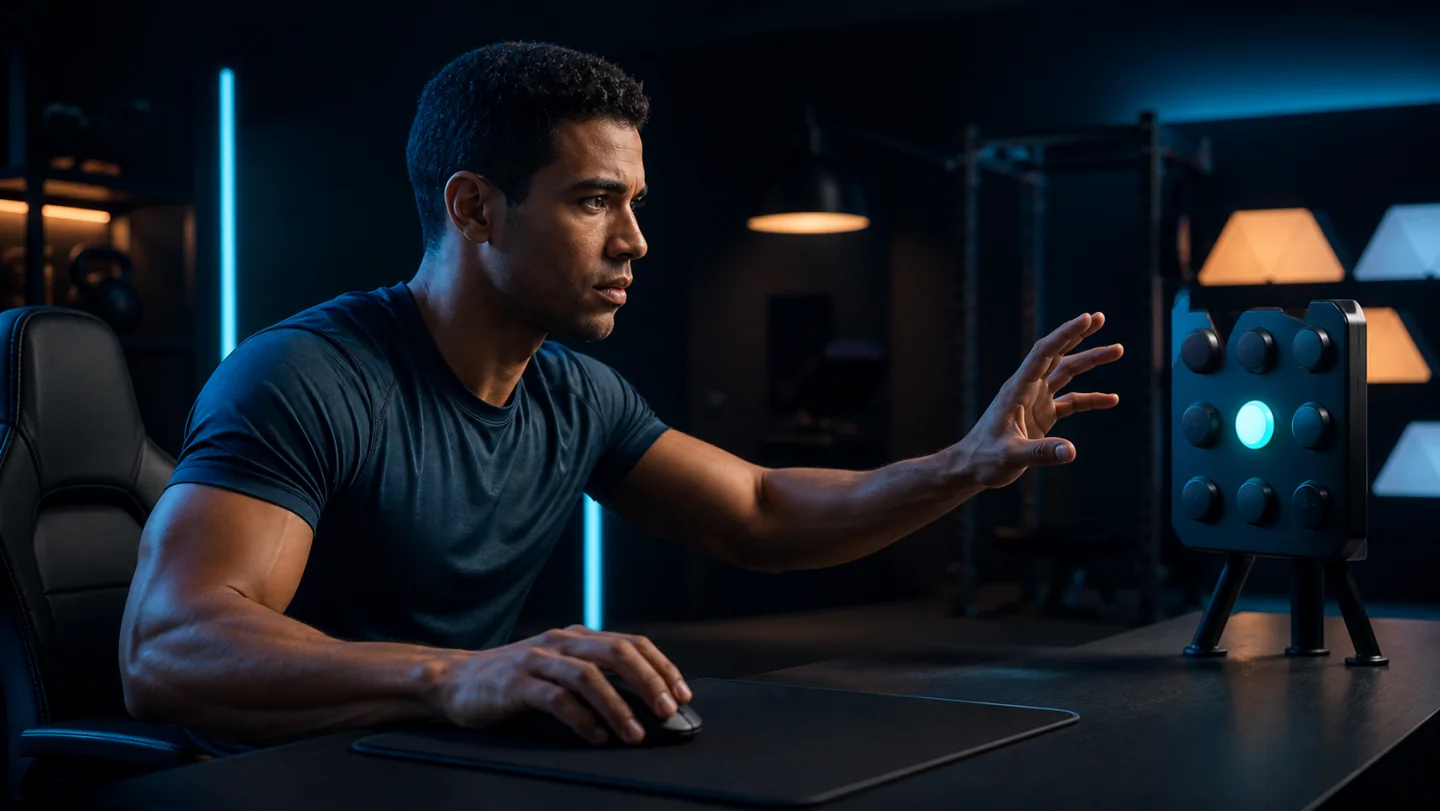
Reaction time improves most reliably when you remove noise from the test and practice in short, focused sessions. Use the same device and browser when tracking progress so the numbers are easier to compare, and treat a single fast attempt with suspicion, since consistency is the real sign of progress.
To put this topic in context, compare it with the average reaction time benchmark, try the reaction-time guide for gamers, and follow the visual reaction time test. The reaction time guide library connects every benchmark and test mode.
A simple two-week practice plan
- Set a fixed baseline. Run one set of 5 attempts on the visual test, on your usual device, at a time of day you can repeat. Record the average, not just your best single attempt.
- Practice in short daily sets. Do 2-3 sets of 5 attempts a day, with a short break between sets. Stop a session as soon as scores start getting worse, since that signals fatigue rather than learning.
- Rotate test modes. Alternate visual, audio, and F1-style modes across the week so you train both simple reaction and start-timing patience, not just one narrow skill.
- Remove hardware and environment noise. Test on the same device, browser, and input method each time, in a quiet space, so changes in your score reflect you, not your setup.
- Re-test your baseline weekly. At the end of week 1 and week 2, run the same 5-attempt baseline set from step 1 and compare averages, not single best scores.
Practical ways to improve reaction time
- Practice in short sets instead of long tired sessions.
- Sleep enough before comparing scores.
- Close heavy tabs and apps before testing.
- Use a responsive mouse or keyboard instead of a laggy touchscreen when possible.
- Focus on the cue and avoid guessing before it appears.
Reduce input and display latency
Some of your score is biology, but part of it is hardware. A wired mouse or keyboard removes the small delay that some wireless connections add, and a higher-polling-rate mouse samples movement more often, which can shave a few milliseconds off click-based tests. On the display side, a higher refresh-rate monitor redraws the screen more often, which can reduce the delay between the test triggering a cue and that cue actually appearing. Closing background apps, updating graphics drivers, and disabling unnecessary browser extensions all reduce the chance of a stray delay affecting a single attempt.
Lifestyle factors that affect reflex speed
Sleep is the single biggest lifestyle factor in most people's reaction time. Being noticeably tired can slow your score more than almost any hardware change. Staying hydrated and avoiding alcohol before testing both help keep results consistent, since alcohol reliably slows reaction time even in small amounts. Regular physical activity is also associated with better processing speed in general cognitive research, though the effect on a single reaction time test is modest compared with a good night's sleep.
Practice visual, audio, aim, and timing reactions
A simple visual test measures one stimulus and one response. Audio, F1 lights, aim, and pro consistency modes train slightly different parts of attention, timing, and pointer control, so rotating between them builds a more complete picture of your reflexes than repeating one mode alone.
Frequently asked questions
How long does it take to improve reaction time?
Many people see a small, measurable improvement within one to two weeks of short daily practice, mostly from familiarity with the test and better focus. Gains typically level off after that, since simple reaction time has a biological floor that practice alone cannot remove.
Can reaction time really be trained?
To a point. Practice improves familiarity, anticipation, and focus, which can shave real milliseconds off your average. It will not turn a 260 ms average into a 120 ms average, since a large part of reaction time is set by basic nervous system processing speed.
Does caffeine improve reaction time?
Moderate caffeine can modestly improve alertness-related reaction time, especially when you are tired, but the effect is small and varies a lot between individuals. It is not a substitute for sleep, which has a much larger effect on reaction time.
What is a realistic reaction time improvement?
A realistic target from better sleep, practice, and lower-latency hardware combined is often in the range of 10 to 30 milliseconds off your starting average, not a dramatic transformation. Consistency, not a single fast score, is the best sign of real progress.
For fair tracking, read the average reaction time guide and then start a practice set. Gamers may also find the reaction time for gamers guide useful.
Sources and measurement notes
These references explain the timing method and the limits of browser-based comparisons.